The Revival of Slow Rail: Lisbon to Hendaye
Rediscovering nocturnal berths, rhythmic tracks, and the meditative transition between Iberian landscapes.
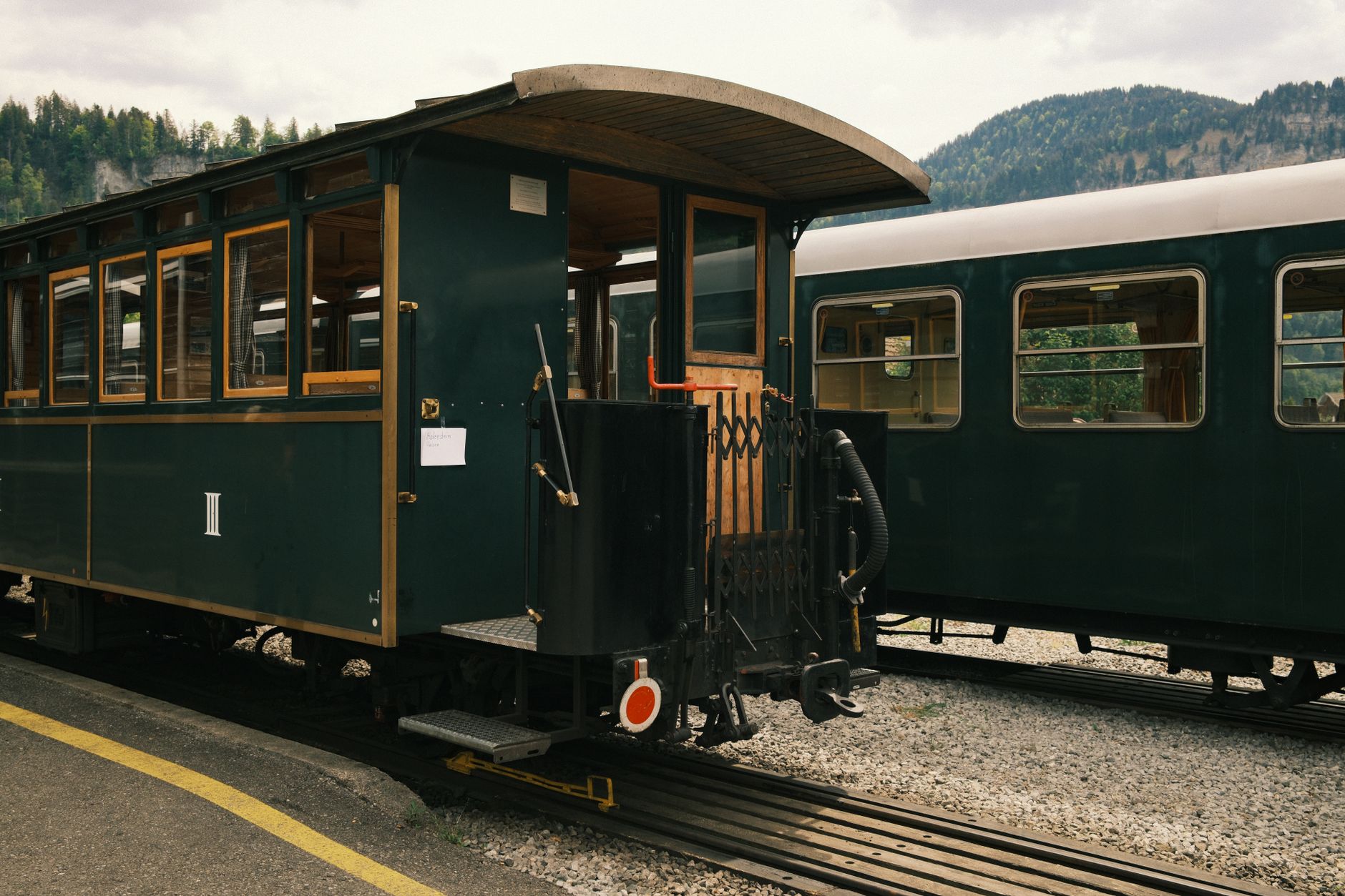
Dawn breaking across the Castilian plains viewed from a vintage sleeper corridor.
For decades, European connectivity traded romance for supersonic speed. Air shuttle routes promised two-hour hops between capitals, yet stripped the voyager of territorial context—the subtle gradual shift in roof tiles, soil color, and roadside vegetation that tells the curious traveler where one world gives way to another.
The Rhythm of the Night Sleeper
Boarding at Lisbon's Santa Apolónia as dusk envelopes the Tagus River is an act of deliberate decompression. Wooden compartments, heavy wool blankets, and the reassuring mechanical cadence of steel wheels against track establish a pace that modern aviation will never emulate.
"Speed obscures nuance. In slowing our transit, we allow each region to introduce itself on its own terms."
By the time the train crosses the frontier into Castile-León, the air cools dramatically. Dawn brings the amber expanses of central Spain, accompanied by the aroma of freshly pressed espresso from the dining car. Passengers exchange whispered greetings over crusty pan con tomate.
Practical Field Notes for Rail Voyagers
- Booking Window: Compartment reservations open approximately 60 days ahead; prioritize single-berth cabins for focused writing.
- Baggage Etiquette: Soft duffels fit far better beneath narrow berths than rigid modern luggage rollers.
- Provisions: While dining cars provide basics, pack local cheeses and bread from Lisbon's Mercado da Ribeira for quiet midnight hours.
As the journey concludes near the French border in Hendaye, where the Pyrenees meet the Atlantic, travelers depart not fatigued, but restored—grounded in the geography they have crossed.