Foraged Sea Treasures of the Galician Rías
An encounter with the intrepid gatherers safeguarding culinary tradition along the Atlantic coast.
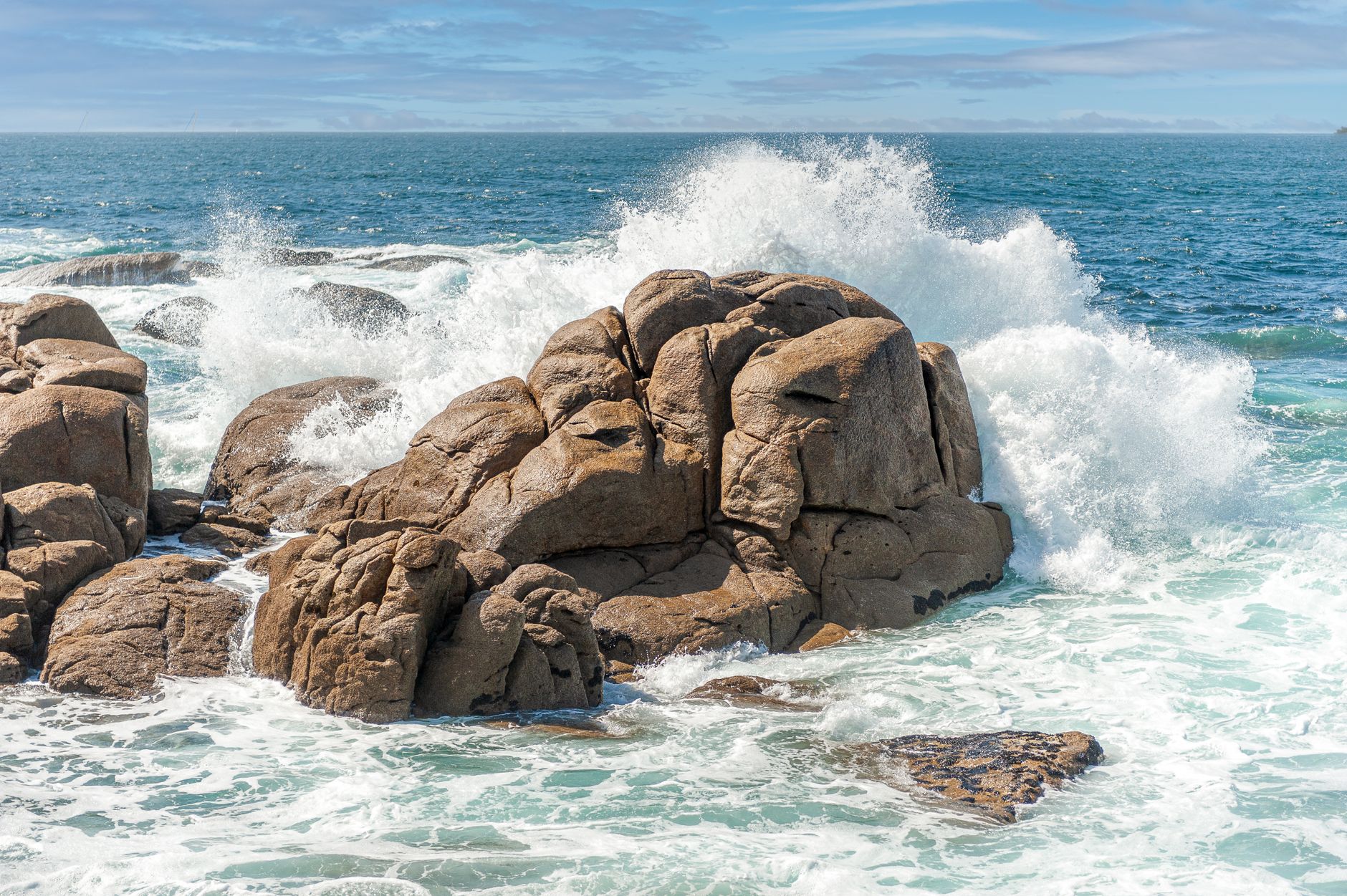
The rugged coastline near Muxía, where cold ocean currents converge with mineral granite cliffs.
In northwestern Spain, the ocean does not merely provide food; it orchestrates the entire seasonal cadence of life. Along the jagged estuaries known as the Rías Baixas and Rías Altas, the cold waters churn with nutrients, giving birth to some of the world's most prized and perilous culinary delicacies: the goose barnacle, or percebe.
Between the Rock and the Wave
Harvesting percebes is less fishing and more high-stakes acrobatics. The percebeiros wear neoprene suits, clutching a scraper called a rasqueta. They must judge the rhythm of incoming swells with absolute precision, diving onto slippery granite rocks between breaking waves to harvest clusters before the water surges back.
"You do not look at the rock; you look at the sea behind you. The sea gives, but it never forgets its price."
The preparation of this seafood is an exercise in minimalist gastronomy. Boiled in pure sea water with a single bay leaf for under two minutes, the percebe requires no sauces, no citrus, and no embellishment. The flavor is a direct burst of ozone, iodine, and deep oceanic sweetness.
Cultural Preservation and Micro-Cooperatives
Today, Galician guilds (cofradías) enforce rigorous sustainability quotas. Harvesting is strictly prohibited during breeding cycles, and each harvester's daily catch is inspected and tagged at local fish exchanges. This balance between economic survival and ecological conservation makes the Galician coast an inspiring model for coastal communities worldwide.